You might think art history is a dusty subject reserved for quiet galleries and thick textbooks, but just look at your smartphone. The way your apps are arranged, the "vibe" of that viral fashion ad, and even the weirdly perfect dreamscapes in your social media feed didn't happen by accident. We're living in a visual world built on the bones of the past.
So what does this actually mean for you today? It means that the creative choices made by a few rebels in the 19th and 20th centuries are still calling the shots in 2026. Whether you're a designer, a brand owner, or just someone who appreciates a good aesthetic, understanding these echoes helps you make sense of the modern world. It's about seeing the "New Heritage" trend where old philosophies get a high-tech upgrade.
Impressionism and Post-Impressionism
If you've noticed a lot of photography lately that looks a bit blurry or "vibey," you're looking at the ghost of Impressionism. Back in the day, Monet and his crew were obsessed with how light changed a scene. They didn't care about perfect realism. They wanted to capture a feeling.
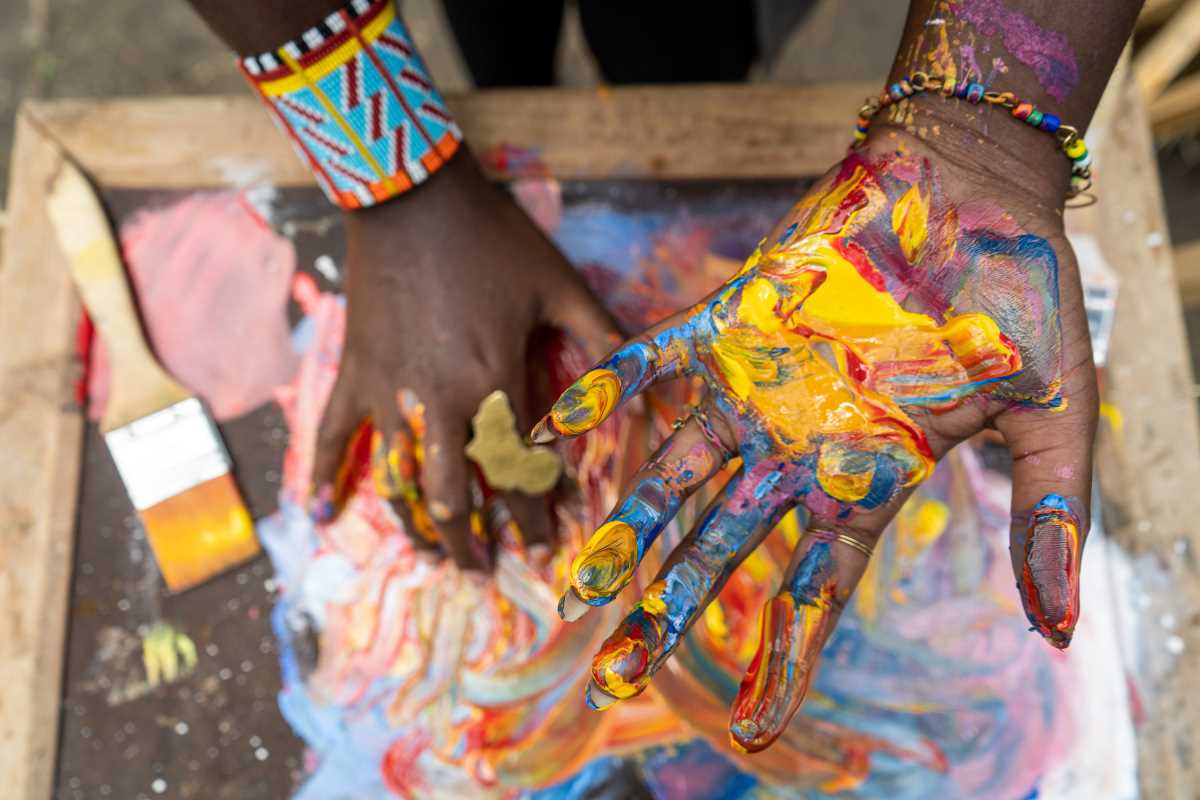
In 2026, this has evolved into what experts call "Digital Tactility." It's a move away from the cold, clinical perfection of early digital art. Now, we're seeing a massive trend in abstract and textural photography. Designers are using motion blur and light leaks to create assets that feel "painterly" rather than computer-generated.
Think of it like this: your eyes don't see the world in 8K resolution all the time. Sometimes, a soft glow or a messy shadow tells a better story. Even professional tools have caught up. Procreate brushes can now use AI to simulate the actual height and thickness of oil paint, known as impasto. This allows digital artists to mimic the 3D texture of a Van Gogh or Monet right on a glass screen. Louis Vuitton’s recent campaigns are a great example, using moody, atmospheric imagery that prioritizes the feeling of luxury over a sharp product shot.
Surrealism
Surrealism is everywhere right now, and we have Generative AI to thank for that. The movement was always about dream logic and putting things together that don't belong (think Dalí’s melting clocks). In 2026, this has become "Hyper-Surrealism."
Because AI creates images based on patterns rather than literal rules, it often produces "oneiric" or dreamlike results that feel strangely familiar but totally impossible. It's a perfect match for our current cultural obsession with the absurd. Have you noticed how much we love weird memes or bizarre 3D animations? That's Surrealism in its modern form.
The data backs this up too. There's been a huge spike in people searching for the "Salvador Dalí aesthetic" and "modern surrealism" lately. Brands are leaning into it hard. Nike’s "Art of Victory" exhibition used AI to create footwear prototypes that look like organic, fantastical shapes straight out of a dream. It's not just about selling a shoe anymore. It's about selling a piece of a dreamscape.
Bauhaus and Minimalism
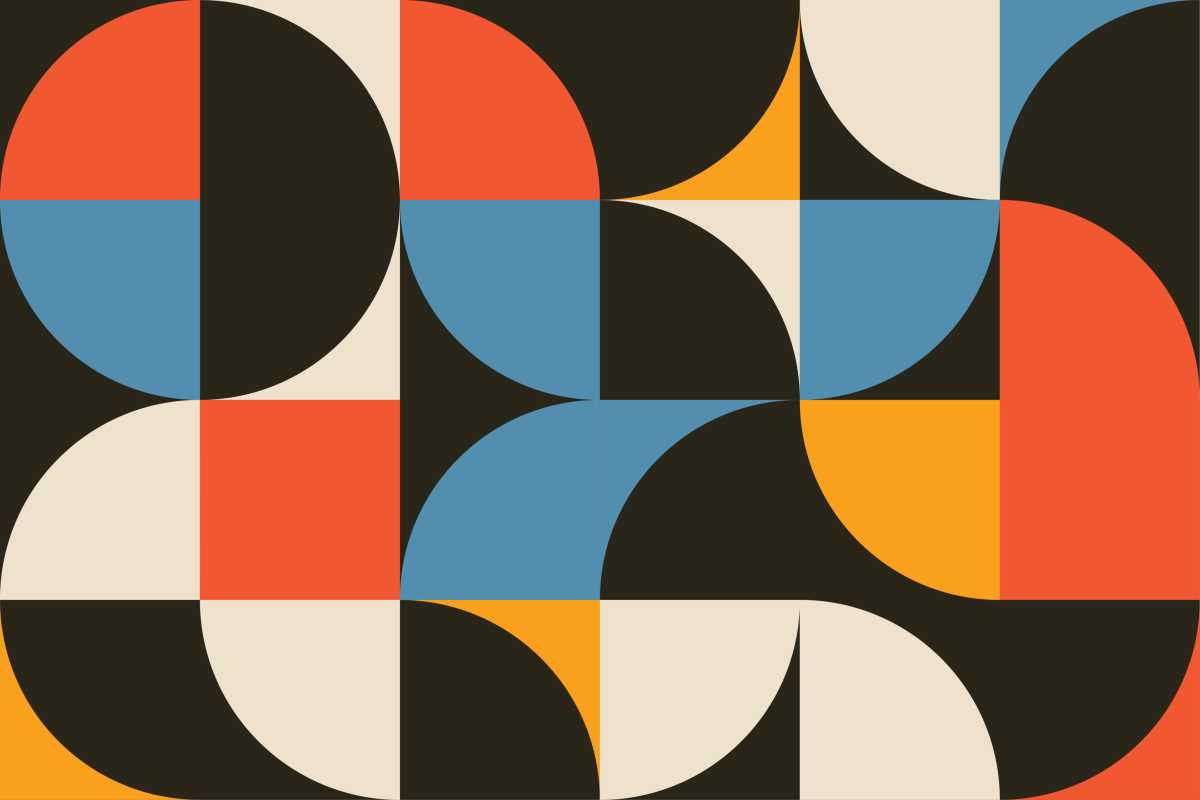
If you like things clean, organized, and easy to use, you're a fan of the Bauhaus. This movement's big idea was that "form follows function." They wanted to strip away all the unnecessary fluff and focus on the neededs. It's the reason your favorite apps aren't cluttered with useless buttons.
But in 2026, we're seeing a shift toward "Warm Minimalism." The old-school Bauhaus was a bit cold and rigid. Today, we're keeping the clean grids but adding human textures and bold colors to make things feel more approachable.
You can see this in the "Bento Box" layouts that are taking over web design. If you've looked at Apple's website or a Shopify store lately, you'll see content organized into neat, rounded rectangles. That's a direct evolution of Bauhaus grid theory. It's functional, modular, and looks great on a screen. It's a rebellion against the "sameness" of the last decade, proving that you can be organized without being boring.
Pop Art
Pop Art was the original "viral" movement. Andy Warhol and Roy Lichtenstein took everyday things like soup cans and comic books and turned them into high art. They loved repetition, bold colors, and irony.
Fast forward to 2026, and Pop Art is the foundation of the creator economy. The way influencers brand themselves and the way we value digital collectibles (like NFTs) is pure Pop Art. It's all about taking something common and making it iconic through repetition and style.
The current trend is "Pop Art 2.0," which uses clashing neon colors and 90s magazine cutout styles. It’s loud, it’s bright, and it’s designed to stop your thumb from scrolling. Look at McDonald’s recent "Wanscher" campaign. They used bold, comic-book outlines and active colors to bridge the gap between fast food and global fan culture. It’s a classic Warholian move: taking a mass-market product and elevating it through a specific, popular aesthetic.